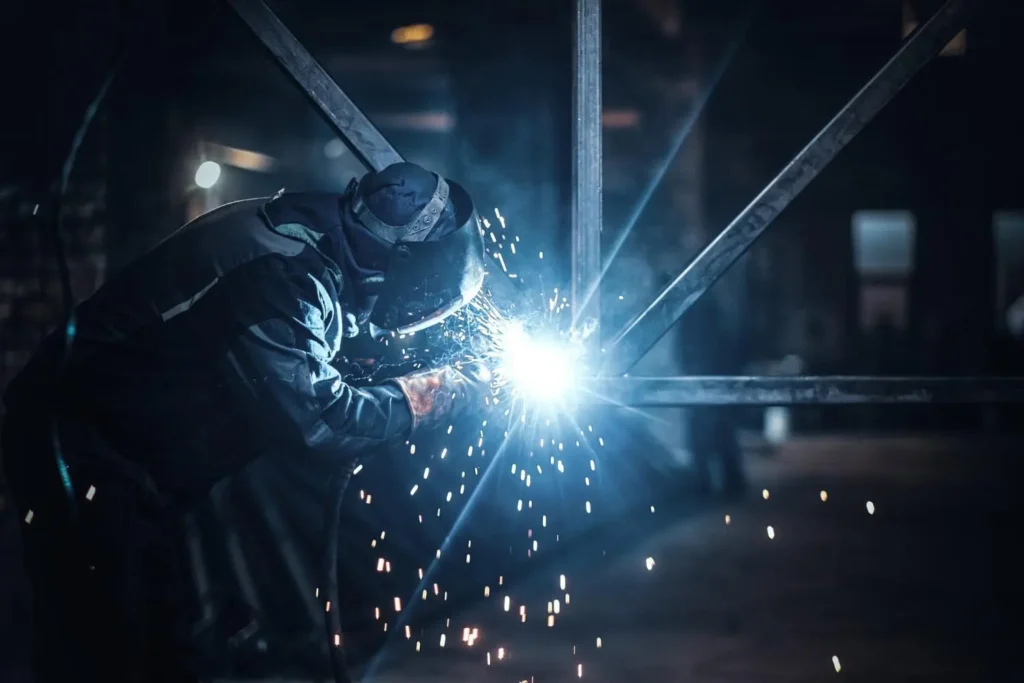
Welding is an exciting and rewarding skill, but it comes with inherent risks. Sparks, molten metal, intense heat, and harmful radiation can cause serious injuries if proper precautions are not taken. For beginners, understanding and implementing safety measures from day one is crucial. Developing safe habits early on ensures a longer, injury-free career and makes welding a more enjoyable and productive experience.
In this guide, we’ll cover essential safety tips every beginner welder should follow, from personal protective equipment for welders to workspace organization and proper technique.
Table of Contents
1. Always Wear the Right Personal Protective Equipment (PPE)
One of the most important steps in welding safety is wearing appropriate PPE. Proper gear protects you from burns, electric shock, sparks, flying debris, and harmful radiation.
Key PPE for beginner welders includes:
- Welding Helmet: Protects your eyes and face from ultraviolet and infrared rays. Helmets with adjustable shades allow you to customize the level of protection based on the welding process. Flip-front helmets offer convenience for checking your work without removing the helmet.
- Protective Welding Clothing: Flame-resistant jackets, aprons, pants, and spats protect your torso, arms, and legs from sparks and molten metal. Chrome leather or heavy-duty cotton clothing is ideal.
- Welding Gloves: Welding gloves shield your hands from heat, cuts, and sparks. Look for gloves that are flame-resistant and comfortable for dexterity.
- Welding Skull Caps or Caps with Neck Flaps: Protect your scalp and neck from sparks and heat, especially during overhead welding.
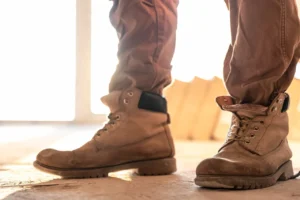
- Safety Boots: Sturdy, heat-resistant boots protect your feet from falling sparks or heavy metal. Steel-toed boots are highly recommended.
Beginners often underestimate the importance of complete PPE coverage. Even small areas of exposed skin can result in painful burns. Always double-check that your PPE fits properly and covers all vulnerable areas before starting.
2. Maintain a Clean and Organized Workspace
A cluttered workspace increases the risk of accidents. Beginners should take the time to organize their welding area to reduce hazards.
Tips for a safe workspace:
- Keep flammable materials away from the welding zone. Sparks can ignite paper, wood, solvents, or rags.
- Ensure proper ventilation to avoid inhaling harmful fumes. Fume extractors or well-ventilated areas are essential, especially when welding metals like stainless steel or galvanized steel.
- Arrange tools, cables, and welding equipment neatly to prevent tripping or accidental contact.
- Mark hot surfaces and recently welded areas to avoid burns from residual heat.
An organized workspace not only improves safety but also boosts efficiency and focus for beginners learning welding techniques.
3. Learn the Proper Welding Techniques
Using correct welding techniques reduces the risk of injury and improves the quality of your work. Beginners should invest time in learning the fundamentals of different welding processes, such as MIG, TIG, and stick welding.
Safety-focused technique tips:
- Keep a safe distance from the welding arc to avoid burns and eye damage.
- Use proper hand positioning to prevent accidental contact with hot surfaces.
- Never weld in awkward positions that compromise your balance or stability.
- Practice on scrap metal before working on important projects.
Understanding how to control the welding arc, maintain steady movements, and position yourself safely around the workpiece can significantly reduce hazards.
4. Protect Your Eyes and Face
Eye injuries are among the most common accidents for beginner welders. The intense light from the welding arc can cause “arc eye,” a painful condition caused by UV radiation. Sparks and debris can also lead to cuts or burns on the face.
Eye and face protection tips:
- Always wear a welding helmet, even for short welds.
- Use a helmet with the correct shade for your welding process. For beginners, an adjustable shade helmet provides flexibility as you learn different techniques.
- Safety glasses under the helmet offer extra protection against flying debris.
- Avoid looking directly at other welders’ arcs without proper eye protection.
Protecting your eyes and face is non-negotiable. Even a brief exposure can cause long-term damage.
5. Avoid Electrical Hazards
Welding involves working with electricity, which can be dangerous if not handled properly. Beginners must be aware of the risks and take steps to prevent electric shock.
Electrical safety tips:
- Always inspect cables, connectors, and equipment for damage before use.
- Keep your work area dry to prevent accidental contact with live electrical parts.
- Wear dry, insulated gloves and avoid wearing wet clothing.
- Ensure that your welding machine is properly grounded.
Following these precautions can prevent serious injuries, including electric shock, burns, or even fatal accidents.
6. Be Mindful of Fire Hazards
Fire is a constant risk in welding. Sparks, hot metal, and flammable materials create a dangerous environment if proper precautions are not taken.
Fire safety tips:
- Keep a fire extinguisher nearby and know how to use it.
- Avoid welding near combustible materials.
- Remove flammable liquids and chemicals from the welding area.
- Never leave a hot workpiece unattended until it has fully cooled.
Fire safety is essential for beginners learning to control sparks and heat. Small preventive measures can prevent major accidents.
7. Stay Alert and Focused
Welding requires concentration. Beginners may be tempted to multitask or rush through projects, but distractions can lead to accidents.
Focus tips:
- Limit distractions in the workspace.
- Avoid welding when tired or under the influence of alcohol or medication that impairs focus.
- Take regular breaks to prevent fatigue, which can compromise safety and quality.
Developing a habit of staying alert will not only improve your safety but also the quality of your work.
8. Understand Fume and Gas Safety
Welding produces fumes and gases that can be harmful if inhaled over time. Beginners should be aware of the risks and use protective measures.
Fume safety tips:
- Always work in well-ventilated areas.
- Use local exhaust ventilation or fume extractors when welding in confined spaces.
- Consider wearing a respirator for certain welding processes or materials.
Awareness of fumes and gases protects your respiratory system and reduces the risk of long-term health problems.
9. Learn Proper Tool and Equipment Handling
Proper handling of welding equipment is a key safety measure. Beginners must become familiar with each tool they use.
Tips for safe equipment handling:
- Read and follow manufacturer instructions for all welding machines and accessories.
- Never touch hot metal or welding tips with bare hands.
- Store welding tools properly when not in use to prevent accidents.
- Inspect equipment regularly for wear and tear.
Mastering equipment handling early reduces the risk of injury and extends the lifespan of your tools.
10. Always Follow Safety Guidelines and Training
Finally, one of the most important steps for beginner welders is to follow safety guidelines and receive proper training. Whether it’s through a formal course or mentorship, learning the best practices for welding will instill habits that prevent accidents.
- Familiarize yourself with OSHA or local safety regulations.
- Attend safety workshops and training programs.
- Never skip safety steps, even for small or quick jobs.
Following guidelines ensures that beginners build a strong foundation of safe practices that will carry into advanced welding work.
Conclusion
Welding is a skill that requires respect for both the craft and the hazards involved. For beginners, safety should never be an afterthought. By wearing the right PPE, maintaining an organized workspace, practicing proper techniques, and staying alert to electrical, fire, and fume hazards, you can protect yourself from injury and develop confidence in your skills.
Investing in quality safety gear, including welding helmets, protective clothing, gloves, skull caps, and boots, ensures that every weld is performed safely. Remember, safety is not optional—it is the foundation of a successful welding career.
Safeco Safety is a leading supplier of PPE products and safety equipment, offering a wide range of high-quality welding protection gear. By choosing Safeco Safety, beginners and professionals alike can trust that they are equipped to weld safely and efficiently.