Choosing the right safety workwear is vital for protecting employees and ensuring compliance across different industries. From construction sites to manufacturing plants, the correct gear reduces risks, improves comfort, and helps workers perform their tasks with confidence. It also demonstrates a company’s commitment to worker wellbeing, which can improve morale and productivity. By investing in proper safety workwear, businesses safeguard both their people and their reputation.
Who is workwear for?
Workwear is designed for individuals working in environments where safety, durability, and practicality are essential. This includes construction workers, engineers, factory staff, electricians, and healthcare professionals. The main benefit of safety workwear is that it provides protection against hazards such as heat, chemicals, sparks, and sharp objects. It also promotes professionalism and ensures that workers are easily identifiable, which is important for both safety and organisation on site. Beyond protection, workwear can also instil a sense of pride and belonging, reinforcing team identity and discipline in the workplace.
Best Safety Workwear Supplier in South Africa?
Safeco Safety is recognised as one of the leading suppliers of industrial safety workwear in South Africa. The company provides a wide range of garments, including full overalls, shorts, shirts, formal work shirts, utility shirts, and durable work pants. Safeco Safety has built a reputation for delivering high-quality products that meet industry standards, ensuring that businesses can equip their teams with reliable and comfortable protective clothing. Our commitment to innovation and customer service makes us a trusted partner for companies across multiple sectors. Choosing a supplier like Safeco Safety means you can rely on consistent quality and dependable delivery.
What makes good safety workwear?
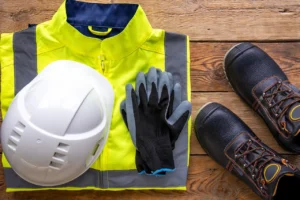
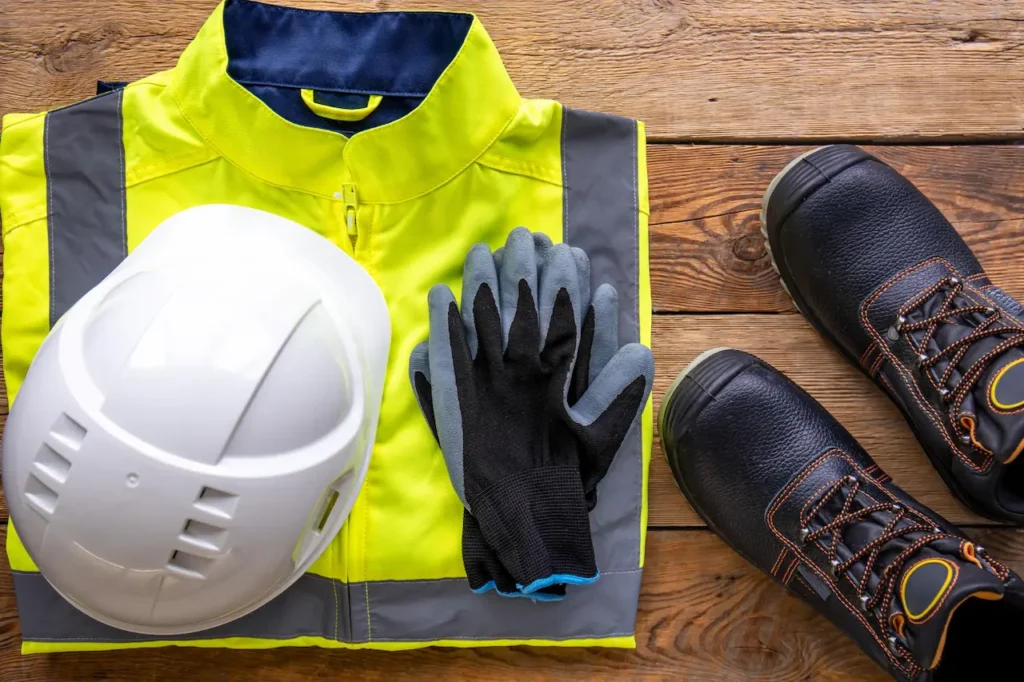
Good safety workwear combines durability, comfort, and compliance with safety regulations. Essential items include:
- Overalls and coveralls that protect against dirt, chemicals, and sparks.
- Safety boots with reinforced toes to prevent injuries from falling objects.
- High-visibility clothing to ensure workers are seen in low-light conditions.
- Protective gloves that shield hands from cuts, burns, and chemicals.
- Helmets and goggles for head and eye protection.
The key characteristics of effective workwear are strong materials, ergonomic design, and features tailored to specific hazards. Breathable fabrics, adjustable fittings, and reinforced stitching all contribute to long-term usability. When safety workwear is both practical and comfortable, workers are more likely to wear it consistently, which enhances overall workplace safety.
Why are normal clothes dangerous compared to workwear
Normal clothes are not designed to withstand industrial hazards. Fabrics such as cotton or polyester can easily tear, absorb chemicals, or catch fire. For example, a worker wearing casual jeans and a T-shirt in a welding environment risks burns from sparks and exposure to harmful fumes. In contrast, flame-resistant overalls and protective gloves provide a barrier against these dangers, ensuring the worker remains safe and able to focus on the task at hand. Wearing normal clothes in hazardous environments can also lead to accidents that compromise not only the individual but the entire team. Safety workwear reduces these risks by offering specialised protection that everyday clothing simply cannot provide.
What type of safety wear should I choose?
The type of safety wear depends on the industry and specific job requirements.
- Construction: Helmets, steel-toe boots, high-visibility vests, and harnesses for working at height.
- Manufacturing: Overalls, gloves, and protective eyewear to guard against machinery and chemicals.
- Electrical work: Flame-resistant clothing and insulated gloves to reduce the risk of electric shock.
- Healthcare: Lab coats, masks, and gloves to protect against biological hazards.
For example, a roofer should prioritise a safety harness and non-slip boots, while a laboratory technician requires protective coats and goggles. Selecting the right gear ensures that workers are not only protected but also equipped to perform their tasks efficiently. Businesses should assess risks in their specific environment and match safety workwear accordingly, ensuring compliance with regulations and peace of mind for employees.
Conclusion
Selecting the right safety workwear in South Africa is about more than compliance. It is about protecting lives, improving workplace efficiency, and ensuring employees feel confident in their roles. By choosing trusted suppliers such as Safeco Safety and investing in durable, industry-specific gear, businesses can create safer environments and reduce risks across all operations. Safety workwear is an investment in people, productivity, and long-term success. Companies that prioritise proper protective clothing demonstrate responsibility and care, which strengthens both their workforce and their brand reputation.