Eye protection PPE is an essential part of workplace safety, especially in industries such as mining, construction, manufacturing, agriculture and healthcare, which are vital to South Africa’s economy. Despite its importance, many companies still neglect adequate training when it comes to the correct use of eye Personal Protective Equipment (PPE). Without proper eye protection, workers are at risk of suffering permanent injuries that can reduce their quality of life and hinder productivity.
This post will guide South African employers on how to effectively train their workforce on eye PPE use and maintenance. It will also address key questions often asked about eye protection.
Table of Contents
What is the Meaning of Eye Protection PPE?
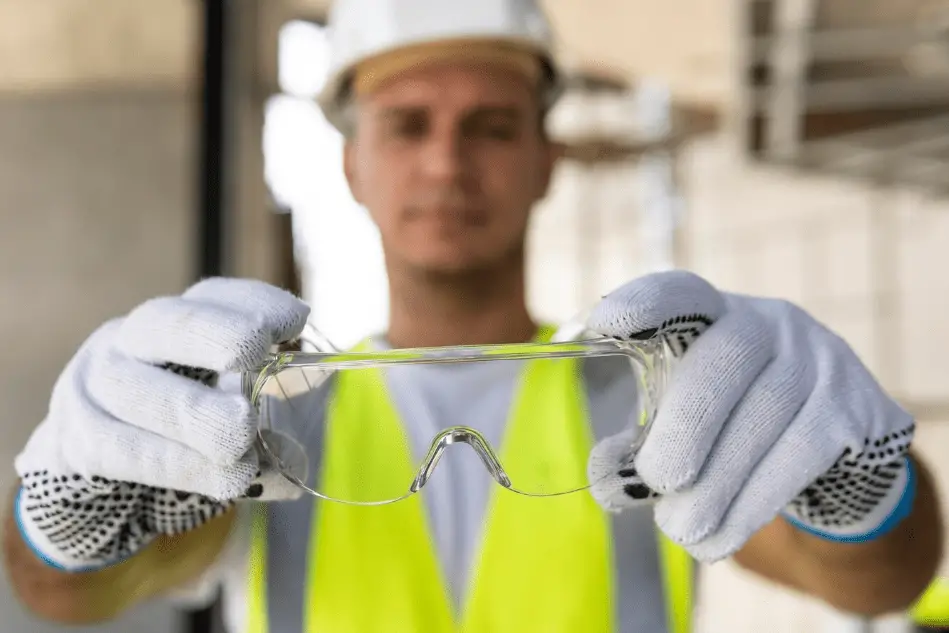
Eye protection refers to any equipment or device worn to shield the eyes from potential hazards in the workplace. These hazards can include flying particles, chemical splashes, dust, radiation, extreme temperatures and intense light. Eye protection PPE includes safety goggles, face shields, welding helmets and specialized protective glasses designed for specific risks.
The main purpose of eye protection is to act as a barrier between the eye and harmful elements in the work environment. Without this shield, the sensitive tissues of the eye are vulnerable to injury which can result in discomfort, temporary or permanent vision loss and other serious medical conditions.
Why is Eye Protection PPE Important?
Eye injuries are some of the most common yet preventable incidents in the workplace. In South Africa’s heavy industries like mining and construction, there is a high risk of eye damage caused by debris, metal fragments, wood chips and harmful substances. Proper eye protection prevents these hazards from reaching the eye, ensuring worker safety and maintaining productivity levels.
Eye injuries can lead to expensive medical treatments, lost workdays, compensation claims and in severe cases, permanent disability. This not only affects the injured employee but also causes operational delays and financial loss to the company. Eye protection safeguards both human health and company performance.
What is the Best Form of Eye Protection PPE?
The best form of eye protection depends on the nature of the work and the associated risks. In South African industries, the following types are commonly used:
- Safety Glasses – Ideal for protection against flying particles and minor impacts. They are lightweight and comfortable for long-term use.
- Safety Goggles – Offer a more secure seal around the eyes and provide protection from dust, chemicals and vapors. These are essential in laboratories, chemical plants and processing industries.
- Face Shields – Protect the entire face including the eyes, nose and mouth. These are suitable for tasks involving grinding, cutting or exposure to corrosive materials.
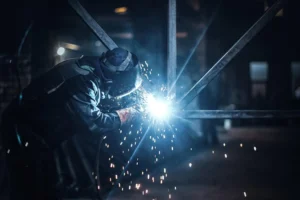
- Welding Helmets – Designed to shield eyes from intense light, infrared radiation and sparks during welding tasks. They come with auto-darkening filters for improved visibility.
- Specialized Glasses or Goggles – For laser work, UV protection or tasks involving radiation.
Employers must assess the workplace environment carefully to select the most suitable PPE for each task. In many cases, a combination of these protections may be necessary.
What is the Best Way to Protect Your Eyes?
The best way to protect your eyes at work includes a combination of the following practices:
- Risk Assessment – Conduct thorough hazard assessments to identify eye injury risks specific to each work area.
- Providing Correct PPE – Supply workers with the appropriate eye protection that matches the identified risks.
- Proper Training – Ensure that employees know how to wear, adjust, clean and store their eye PPE properly.
- Regular Maintenance – Inspect and replace damaged or worn PPE regularly to ensure it remains effective.
- Enforcing Usage – Make eye protection compulsory in high-risk zones and monitor compliance.
- Promoting Awareness – Educate workers on the consequences of not wearing PPE and the importance of consistent protection.
Who Needs Eye Protection?
Eye protection is essential for anyone exposed to workplace hazards that could affect the eyes. This includes:
- Construction workers exposed to dust, flying particles and sharp objects.
- Miners working in underground environments with debris, chemicals and radiation sources.
- Manufacturing workers dealing with cutting, grinding, drilling or chemical processes.
- Agricultural workers handling pesticides, fertilizers and machinery.
- Healthcare workers exposed to infectious bodily fluids or harmful substances.
- Laboratory personnel handling hazardous chemicals or biological materials.
- Welders, laser operators and electricians exposed to intense light or electrical hazards.
Essentially, any worker whose environment poses a risk of eye injury requires appropriate eye PPE.
How Important is Eye Protection PPE?
Eye protection is critically important because the eyes are one of the most sensitive and vulnerable organs. Even minor injuries can result in pain, infections or loss of vision. Eye protection reduces the chance of injury by up to 90 percent when worn and maintained correctly.
In South Africa, where industries such as mining and manufacturing form a significant part of the economy, the role of eye PPE is even more crucial. Without it, workers’ safety is compromised and companies face legal liability, fines and insurance claims.
What Can Happen if You Don’t Wear Eye Protection?
Failing to wear proper eye protection can lead to:
- Cuts, punctures and abrasions caused by flying debris or sharp objects.
- Chemical burns from splashes of hazardous substances.
- Infections from biological agents or contaminated materials.
- Blindness or vision impairment due to radiation exposure or severe trauma.
- Chronic eye conditions resulting from long-term exposure to dust or light.
Besides these medical risks, companies can suffer from downtime, reduced productivity, higher medical expenses and possible legal penalties.
Best Practices for Training Your Workforce on Eye Protection PPE
Providing eye PPE alone is not enough. Employees must be trained thoroughly to understand its importance and how to use it correctly. Here are some best practices for South African employers:
1. Conduct a Workplace Risk Assessment
Start by assessing the specific risks present in the workplace. Identify tasks where employees are exposed to flying objects, chemicals, harmful light or biological hazards. This assessment will guide your selection of appropriate eye PPE.
2. Select Suitable Eye PPE
Choose PPE that matches the nature of the hazard. Ensure that the PPE meets relevant South African National Standards (SANS) and international safety guidelines. Comfort, fit and functionality are important to encourage regular use.
3. Educate Employees on the Importance of Eye Protection
Many workers underestimate the importance of eye PPE until they suffer an injury. Hold regular training sessions explaining:
- The risks associated with their tasks
- Potential consequences of not wearing eye protection
- Real-life case studies of eye injuries in similar industries
This helps employees understand the direct impact of non-compliance on their health and livelihood.
4. Demonstrate Proper Use of Eye PPE
Workers should receive hands-on demonstrations on:
- How to correctly fit and adjust their eye PPE
- How to check for damages or defects before use
- How to clean and store PPE to extend its lifespan
Training should be practical and interactive, not just theoretical.
5. Enforce Eye Protection PPE Compliance
Make the use of eye PPE mandatory in designated areas. Supervisors should monitor usage and correct improper practices immediately. Implement penalties for non-compliance to reinforce seriousness.
6. Provide Access to Replacement PPE
Eye protection must be in good condition to be effective. Provide easy access to replacement PPE and establish procedures for reporting and replacing damaged equipment.
7. Regularly Update Training
Safety standards and technology evolve over time. Review and update your training program at least annually. Introduce new information about PPE innovations, changes in legislation and lessons learned from incident reports.
8. Involve Workers in Safety Discussions
Encourage employees to give feedback about their PPE experience. Workers often notice comfort issues or risks that management may overlook. Their input can help improve safety measures and promote PPE acceptance.
9. Use Visual Eye Protection PPE Reminders
Place posters, signs and floor markings in high-risk areas to remind workers to wear their eye PPE. Visual cues are effective in maintaining safety awareness.
10. Track and Evaluate PPE Program Effectiveness
Measure the success of your PPE training by:
- Tracking incidents of eye injuries
- Monitoring PPE usage rates
- Conducting employee knowledge assessments
- Reviewing worker satisfaction with PPE comfort and effectiveness
Adjust your training and procedures based on this data.
Eye Protection PPE Conclusion
Training your workforce on eye PPE is not only a legal requirement in South Africa but a moral and practical necessity. By implementing proper training and enforcing PPE use, you can prevent eye injuries, reduce downtime and foster a culture of safety in your company.
Remember: eye protection is a simple yet powerful tool that can save vision, health and lives. Ignoring its importance puts both your workers and your business at risk.
For South African employers, prioritizing eye PPE training means investing in the wellbeing of your workforce and the future success of your operations.