When it comes to workplace safety, face protection products often dont get the attention it deserves—until an accident happens. Whether you’re in construction, manufacturing, healthcare, or even working in a lab, proper face PPE (Personal Protective Equipment) is critical. It’s not just about ticking a box for safety compliance—it’s about protecting your eyes, nose, mouth, and overall health.
In this guide, we’ll break down the basics of face protection PPE: the types available, when to use them, how to choose the right gear, and why it matters more than ever in 2025.
Table of Contents
Why Face Protection Matters
Your face is home to some of your most vital and vulnerable features: your eyes, respiratory pathways, and skin. Even a small incident like a flying piece of debris or a chemical splash can cause permanent damage in seconds.
Workplace face injuries can result in:
- Loss of vision
- Chemical burns
- Inhalation of toxic particles
- Broken bones or cuts
- Long-term health complications
And beyond the physical harm, there’s lost productivity, potential legal action, and rising insurance costs. The right face protection isn’t just a precaution—it’s an investment in safety and peace of mind.
Types of Face Protection PPE
Not all face protection is created equal. Different jobs call for different types of PPE, and it’s important to understand the options available.
1. Safety Goggles
These protect your eyes from impact, dust, and chemical splashes. Goggles form a seal around the eyes, offering more protection than standard safety glasses, especially in environments with airborne particles or liquid hazards.
Best for: Labs, woodworking, metal grinding, chemical handling.
2. Face Shields
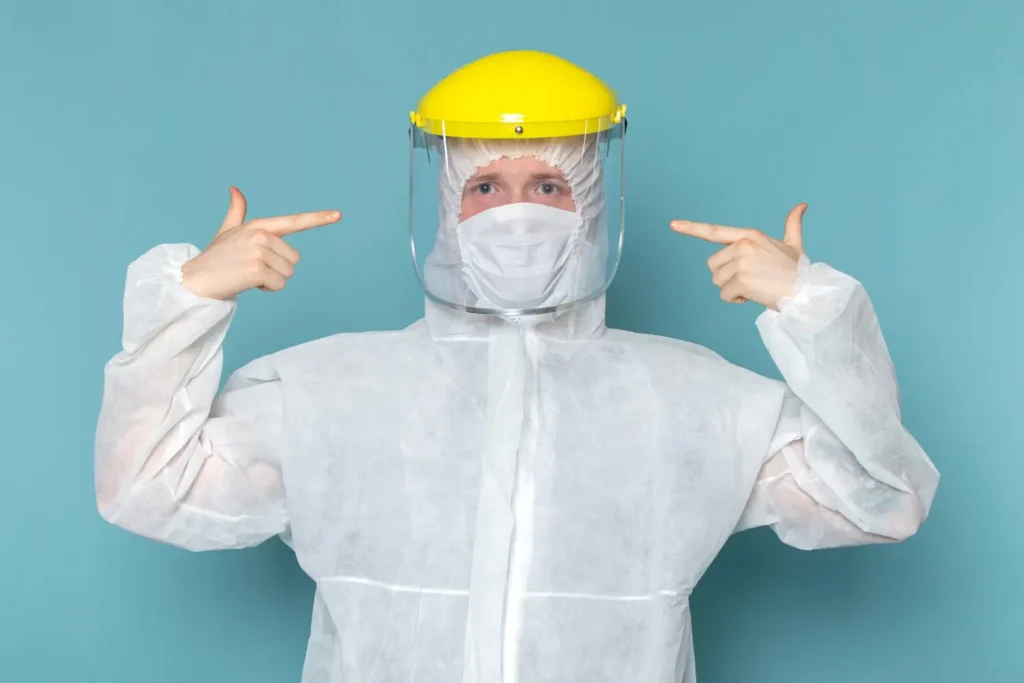
A face shield is a clear plastic barrier that covers the entire face. It doesn’t seal tightly but provides a broad range of protection against flying objects, splashes, and sparks. Often used with goggles or masks for layered protection.
Best for: Grinding, welding, chemical processing, dental work.
3. Safety Glasses
Lightweight and comfortable, safety glasses protect against minor impact and dust. Many models come with anti-fog and UV-resistant coatings.
Best for: General-purpose tasks, construction, maintenance.
4. Respirators and Masks
Respiratory face PPE is designed to protect you from inhaling harmful substances. Options range from disposable dust masks to full-face respirators with replaceable filters.
Best for: Painting, sanding, working with toxic chemicals, or any airborne hazard.
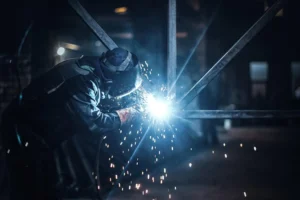
5. Welding Helmets
These specialized helmets protect from intense light, heat, and flying debris. Most modern helmets include auto-darkening filters for added convenience.
Best for: Welding, cutting, plasma arc operations.
How to Choose the Right Face Protection
Not sure what kind of face protection PPE you need? Here are some key questions to help guide your decision:
1. What are the hazards in your environment?
- Dust, chemicals, high-impact debris, light radiation, infectious agents?
Different threats require different types of protection.
2. Will other PPE be used at the same time?
Face protection often needs to work alongside hard hats, hearing protection, or respiratory gear. Compatibility is crucial.
3. What level of protection is required?
Always check whether the PPE meets the required SANS (South African National Standards) or relevant international standards. For example, SANS 1404 outlines requirements for protective eye and face equipment in South Africa. Compliance with these standards ensures the PPE is tested for safety, durability, and effectiveness in local working conditions.
4. How long will it be worn?
Comfort matters. Lightweight materials, anti-fog coatings, and adjustable straps can make a big difference during long shifts.
Common Mistakes to Avoid
Even the best face PPE won’t work if it’s used incorrectly. Here are a few mistakes we often see:
- Wearing goggles over prescription glasses without proper sealing.
- Not replacing disposable masks or filters often enough.
- Using face shields alone when eye protection is also required.
- Failing to clean and maintain PPE regularly.
- Using damaged or expired equipment.
Make sure staff are trained not just in what to wear, but how to wear it.
Care and Maintenance Tips
Keeping your PPE in good condition ensures it continues to provide proper protection. Here’s how to take care of it:
- Clean daily: Use mild soap and warm water or disinfectant wipes. Avoid harsh chemicals that degrade plastic.
- Store properly: Keep face shields and goggles in a dry, scratch-free environment.
- Inspect before each use: Look for cracks, loose straps, or fogging.
- Replace when worn: Scratched lenses and damaged seals reduce effectiveness and increase risk.
Face Protection in the Post-Pandemic World
COVID-19 changed the way we think about face protection—not just in healthcare, but across nearly all industries. Now, it’s common to see masks and shields used together, even in non-medical settings.
Many businesses are incorporating reusable or higher-grade respiratory protection into their long-term PPE strategy. If your workplace hasn’t reviewed its face PPE policy recently, now is the time.
Final Thoughts: Prioritize Protection
Face protection isn’t a one-size-fits-all solution. What’s right for a dental office may not work for a welding site. But one thing is universal: when chosen correctly and used consistently, face PPE saves lives.
At Safeco, we’re committed to helping businesses like yours find the best protection for every face on the team. Explore our full range of face protection products—from safety goggles to face shields and respirators—all designed to meet industry standards and keep your people safe.