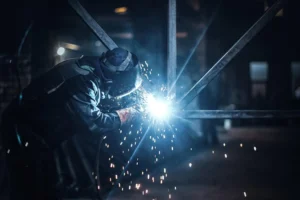
Head injuries in the workplace can be severe and life-threatening. Workers exposed to risks from falling objects, machinery, electrical hazards, or even slips and trips need robust protection. Head protection is one of the most critical forms of Personal Protective Equipment (PPE), and its importance is underlined by the stringent safety regulations in place to prevent injuries. In South Africa, the rules governing the use of head protection PPE are firmly rooted in workplace safety laws, designed to protect workers across various industries such as construction, manufacturing, mining, and electrical.
In this blog, we will explore the South African rules and regulations surrounding head protection PPE, the standards that ensure compliance, and the role of employers and employees in creating safe working environments.
Table of Contents
The Importance of Head Protection in the Workplace
Head injuries can result in debilitating consequences, including traumatic brain injuries (TBIs), concussions, skull fractures, and even fatalities. These injuries often arise from various hazards, including:
- Falling objects: Common in construction, mining, and other industries where overhead risks are prevalent.
- Impact from machinery or tools: In manufacturing and heavy-duty environments.
- Electrical hazards: Particularly in electrical, telecommunications, and utility industries.
- Slip, trip, and fall incidents: Accidents that can lead to workers striking their heads against hard surfaces.
Head protection PPE, such as hard hats, bump caps, and helmets, are designed to minimize the risk of head injuries from these hazards. In South Africa, comprehensive safety regulations ensure that these protective devices are used correctly, safeguarding workers’ lives.
South African Occupational Health and Safety (OHS) Act
The foundation for head protection PPE regulations in South Africa lies within the Occupational Health and Safety Act (No. 85 of 1993). The OHS Act sets out the duties of employers to ensure the health and safety of their employees in the workplace. This law includes provisions for PPE, including head protection, and outlines the employer’s responsibility to provide workers with appropriate equipment when required by the nature of their tasks.
Key Provisions Under the OHS Act
- Duty of Employers to Provide PPE (Section 8): Employers are responsible for providing the necessary PPE to workers exposed to health and safety risks. This includes ensuring that PPE is maintained, properly fitted, and that workers are trained to use it correctly.
- Risk Assessment (Section 8(1)(a)): Employers must conduct regular risk assessments to identify hazards in the workplace. If head injuries are identified as a potential risk, it is the employer’s responsibility to ensure that workers are provided with appropriate head protection.
- PPE Maintenance (Section 9): The OHS Act stipulates that employers must ensure the PPE is properly maintained. This means inspecting head protection equipment regularly for damage and replacing worn-out or damaged helmets or hard hats to ensure their effectiveness.
- Training and Awareness (Section 13): Employers must ensure that workers are trained in the proper use of PPE. Workers should understand when and how to wear head protection, how to maintain it, and how to inspect it for wear.
South African Head Protection PPE Standards: SANS 1477
In addition to the general provisions in the OHS Act, head protection in South Africa is governed by specific industry standards, primarily the SANS 1477 series of standards. The SANS 1477 standard, established by the South African Bureau of Standards (SABS), specifies the requirements for industrial head protection devices (such as hard hats and helmets) to ensure that they provide adequate protection in various workplace environments.
Key Components of SANS 1477
SANS 1477 sets out the technical specifications for head protection devices. These include:
- Impact Resistance: Head protection devices must be designed to withstand impacts from falling objects, which are a significant risk in industries like construction and mining. The helmets must absorb the force of the impact to prevent injury.
- Penetration Resistance: The hard hat must be designed to resist penetration from sharp objects like falling debris, nails, or tools. A helmet’s shell must be tested for its ability to prevent such penetration.
- Electrical Insulation (for Class E helmets): In electrical environments, head protection must be capable of providing protection from electrical hazards. For instance, Class E helmets are designed to offer electrical insulation and protect workers from high-voltage electrical shocks.
- Chin Strap and Retention Systems: SANS 1477 mandates that head protection devices include chin straps or retention systems to keep the helmet securely in place during use. This is particularly important for high-risk activities, such as those that involve working at heights.
- Design and Comfort: The design must ensure that the hard hat provides a comfortable and secure fit for all workers. It must also allow for ventilation to prevent heat buildup. This is essential for workers in hot environments, such as in construction or mining.
Classes of Head Protection Under SANS 1477
SANS 1477 classifies head protection devices into different classes depending on their level of protection:
- Class G (General): Hard hats designed for general impact protection. These helmets provide protection against low-voltage electrical conductors up to 2,200 volts.
- Class E (Electrical): These hard hats offer insulation and protection against high-voltage electrical hazards, up to 20,000 volts. They are essential for workers in electrical fields.
- Class C (Conductive): These helmets offer no protection against electrical hazards and are generally used in environments where electrical risks are minimal or nonexistent.
Additional South African Regulations for Head Protection
The Construction Regulations (2014)
In addition to the OHS Act and SANS standards, head protection regulations are particularly stringent in the construction industry due to the high risk of head injuries. The Construction Regulations (2014), which form part of the broader OHS Act, place particular emphasis on head protection for workers on construction sites.
These regulations specify that:
- Workers on construction sites must wear head protection at all times, especially in areas where there is a risk of falling objects or debris.
- Hard hats must meet the relevant South African and international standards for impact and penetration resistance.
- Employers must ensure that head protection is provided to all workers, including subcontractors and temporary staff.
The Mining Regulations
Similarly, in the mining industry, workers are often exposed to significant risks, including falling debris and equipment malfunctions. South Africa’s Mine Health and Safety Act (MHSA) and the Mining Regulations (2003) specify that head protection must be worn at all times in underground and surface mining environments. The regulations also specify the standards that mining helmets must meet, including electrical insulation, impact resistance, and comfort.
Best Practices for Using Head Protection PPE
For head protection to be effective, workers and employers must follow certain best practices:
- Proper Fitting: A helmet should fit snugly but comfortably. It must be adjusted to ensure it does not slide around or obstruct vision. Workers should not wear a hard hat that is too tight or loose.
- Regular Inspections: Employers must inspect head protection devices regularly for signs of wear and tear, such as cracks or dents. Any damaged equipment must be replaced immediately.
- Avoid Modifications: Workers should never alter or modify head protection devices, as this can compromise their ability to protect from impact or penetration.
- Training: Workers must be educated on the importance of head protection and trained in how to use and maintain their PPE. Proper use includes ensuring the chin strap is fastened securely and the helmet is worn at all times when required.
- Replacement: Head protection devices should be replaced every 2–5 years or sooner if damage is observed. Extended use of old helmets can diminish their protective properties.
Conclusion
Head protection is a critical aspect of workplace safety, particularly in high-risk environments such as construction, mining, and manufacturing. In South Africa, the Occupational Health and Safety Act, along with the SANS 1477 standard and other industry-specific regulations, provides clear guidelines for the use, maintenance, and compliance of head protection PPE. By adhering to these rules, employers can protect workers from potentially life-threatening head injuries, contributing to safer and more productive work environments.
As safety regulations evolve, it is crucial for both employers and employees to stay informed about the latest requirements and best practices to ensure compliance and reduce workplace accidents. Ultimately, head protection remains an indispensable tool in preventing injury and safeguarding the health and well-being of workers across various industries.